


Reduce Stress with Guided Meditations

Stress is a common challenge in today’s fast-paced world. Finding ways to manage and reduce stress is essential for maintaining both mental and physical health. One powerful method gaining popularity is meditation, especially guided meditation. This blog post explores practical stress relief techniques, focusing on how guided meditations can help you find calm and balance in your daily life.
Understanding Stress Relief Techniques
Stress relief techniques are methods or activities designed to help reduce tension and promote relaxation. These techniques can vary widely, from physical exercises to mental practices. The goal is to lower stress hormones, calm the nervous system, and improve overall well-being.
Some popular stress relief techniques include:
Deep breathing exercises: Simple breathing patterns that help slow the heart rate and relax muscles.
Physical activity: Activities like walking, yoga, or stretching release endorphins, which improve mood.
Progressive muscle relaxation: Tensing and then relaxing muscle groups to reduce physical tension.
Mindfulness meditation: Focusing on the present moment without judgment to reduce anxiety.
Guided meditations: Listening to a narrator who leads you through calming visualizations and breathing exercises.
Each technique has its benefits, and combining several can be especially effective. For example, pairing deep breathing with guided meditation can enhance relaxation and focus.

How Guided Meditations Help Reduce Stress
Guided meditations are a form of meditation where an instructor or recording leads you through a series of calming instructions. These sessions often include breathing exercises, visualizations, and affirmations designed to relax the mind and body.
Here’s why guided meditations are effective for stress relief:
Structure and support: Beginners often find it hard to meditate alone. Guided sessions provide clear instructions, making it easier to focus.
Mental distraction: The narrator’s voice helps divert attention from stressful thoughts.
Visualization: Imagining peaceful scenes can lower heart rate and reduce anxiety.
Breathing focus: Controlled breathing calms the nervous system and reduces cortisol levels.
Accessibility: You can practice guided meditations anywhere, anytime, using apps or online resources.
For those looking to start, there are many free and paid options available. One recommended resource is guided meditations for stress relief, which offers a variety of sessions tailored to different needs.
What Type of Meditation Reduces Stress?
Not all meditation styles are equally effective for stress relief. Some types focus more on concentration, while others emphasize relaxation and mindfulness. Here are a few meditation types known for reducing stress:
Mindfulness Meditation: This involves paying attention to the present moment without judgment. It helps break the cycle of worry and rumination.
Body Scan Meditation: Focuses on systematically relaxing different parts of the body, releasing tension.
Loving-Kindness Meditation: Cultivates feelings of compassion and kindness, which can improve emotional resilience.
Breath Awareness Meditation: Concentrates on the breath to anchor the mind and calm nervous activity.
Guided Visualization: Uses mental imagery to create a sense of peace and safety.
Choosing the right type depends on personal preference. Experimenting with different styles can help you find what works best for your stress levels and lifestyle.
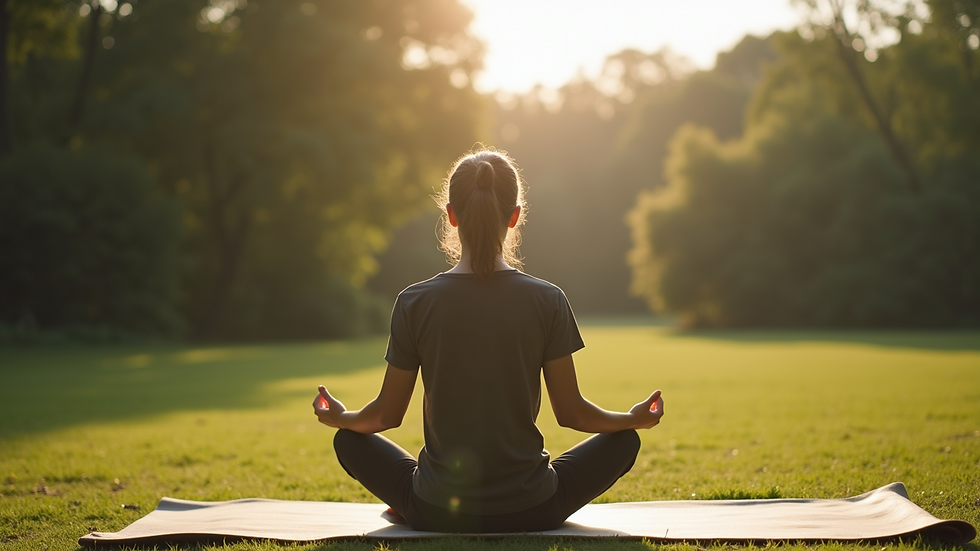
Practical Tips for Incorporating Guided Meditation into Your Routine
Starting a meditation practice can feel intimidating, but with a few simple steps, it becomes manageable and rewarding. Here are practical tips to help you integrate guided meditation into your daily life:
Set a regular time: Choose a consistent time each day, such as morning or before bed, to build a habit.
Create a quiet space: Find a comfortable, distraction-free area where you can relax.
Start small: Begin with 5-10 minute sessions and gradually increase as you feel comfortable.
Use reliable resources: Apps, websites, or recordings from trusted sources provide quality guided meditations.
Be patient: Meditation is a skill that improves with practice. Don’t worry about “doing it right.”
Combine with other techniques: Pair meditation with deep breathing or gentle stretching for enhanced effects.
Track your progress: Keep a journal to note changes in mood, sleep, and stress levels.
By following these tips, meditation can become a natural and effective part of your stress management toolkit.
Additional Stress Relief Strategies to Complement Meditation
While meditation is powerful, combining it with other stress relief techniques can maximize benefits. Here are some complementary strategies:
Physical exercise: Regular movement helps reduce stress hormones and improves mood.
Healthy diet: Eating balanced meals supports brain function and energy levels.
Adequate sleep: Quality sleep is essential for emotional regulation and stress recovery.
Social connection: Spending time with friends or family provides emotional support.
Time management: Organizing tasks and setting priorities reduces overwhelm.
Hobbies and creativity: Engaging in enjoyable activities distracts from stress and boosts happiness.
Integrating these strategies with guided meditation creates a holistic approach to managing stress.
Embracing a Calmer Life with Guided Meditation
Stress is inevitable, but how you respond to it makes all the difference. Guided meditation offers a practical, accessible way to reduce stress and cultivate inner peace. By dedicating just a few minutes each day to this practice, you can experience improved focus, emotional balance, and overall well-being.
Explore different meditation styles, use trusted resources, and combine meditation with other healthy habits. Over time, these efforts will help you build resilience and enjoy a calmer, more centered life.
Start your journey today with guided meditations for stress relief and discover the transformative power of meditation.


Comments